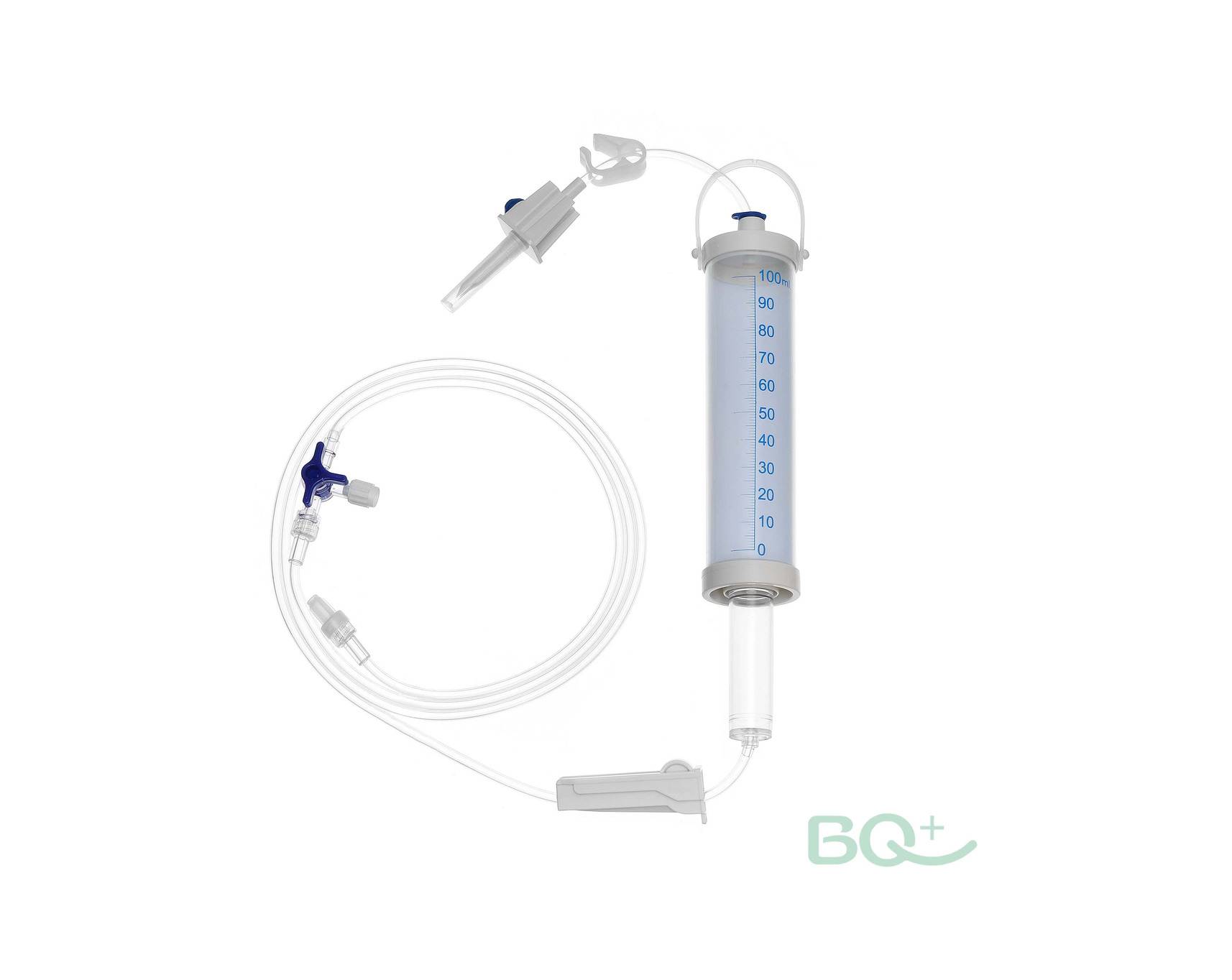
Route A · 3 set types
Angiographic Accessory Sets
Choose a drip chamber, spike or burette route, then confirm tubing, connections and the intended equipment interface.
View the 3 set types →
Explore angiographic accessory sets and interventional pressure monitoring fluid sets separately. Then define the equipment, interfaces, stopcocks, manifolds, tubing and evidence required for the exact project.
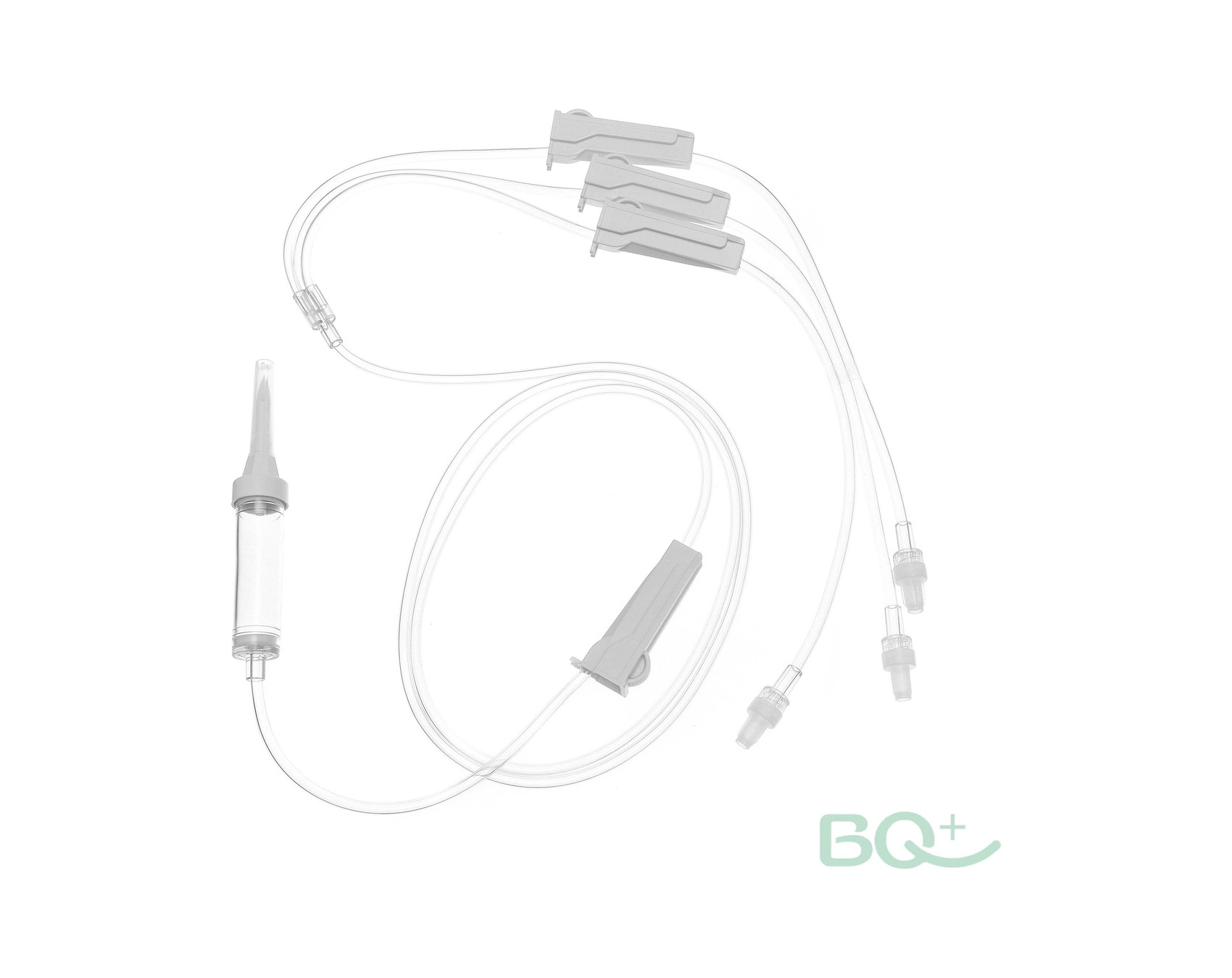
The two routes share fluid-path engineering disciplines, but they are not interchangeable products and do not share automatic performance or regulatory claims.
Choose a drip chamber, spike or burette route, then confirm tubing, connections and the intended equipment interface.
View the 3 set types →Compare 1-way, 2-way and 3-way layouts, then confirm interfaces, access sequence and pressure requirements for the exact REF.
View the 3 fluid-path layouts →Choose the closest set type, then let BQ+ confirm the exact function, equipment interface, pressure conditions and product reference.
Current working product classification; exact BQ+ REF and public product identity remain under review.
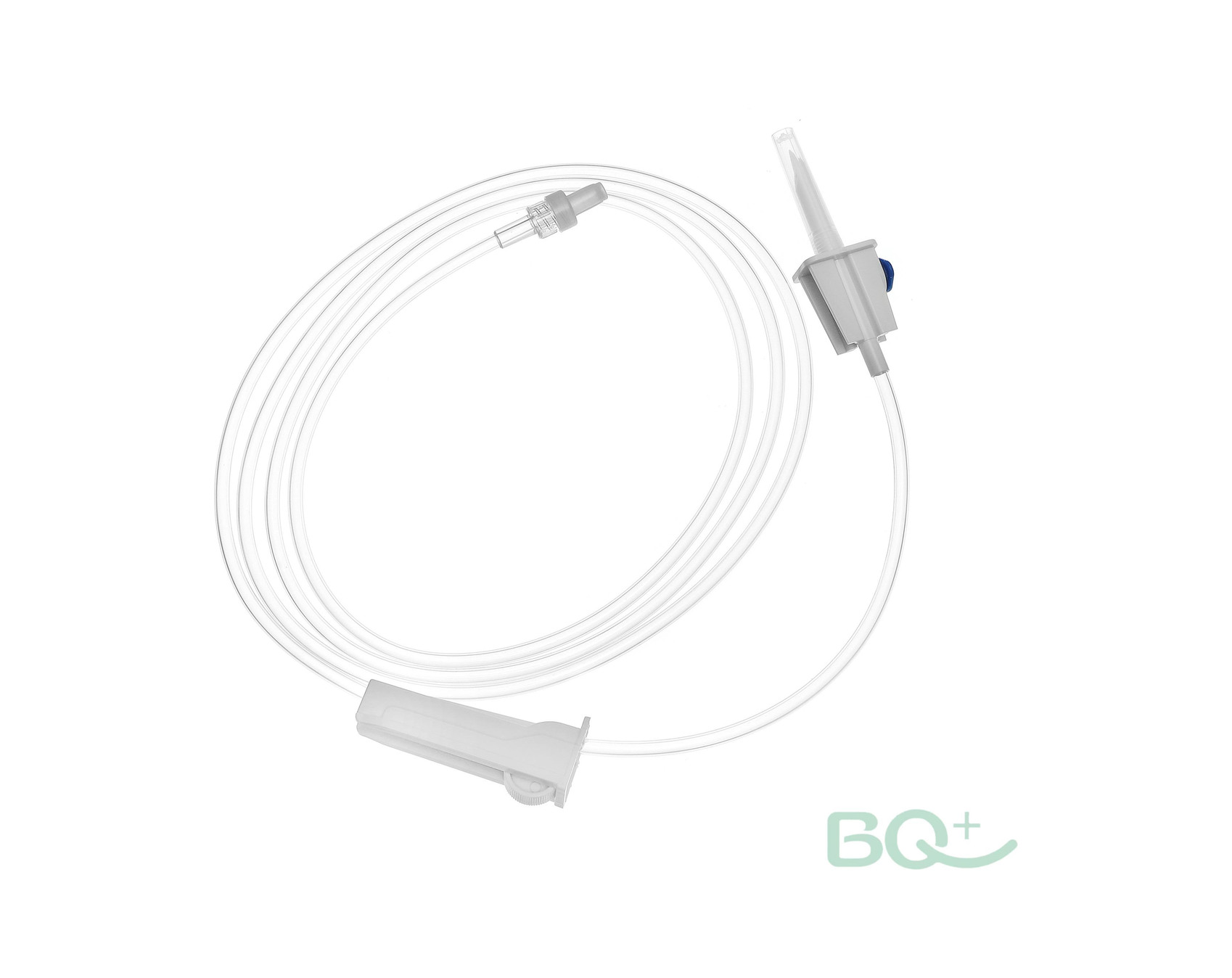
Current working product classification; exact BQ+ REF and public product identity remain under review.
Current working product classification; exact BQ+ REF and public product identity remain under review.
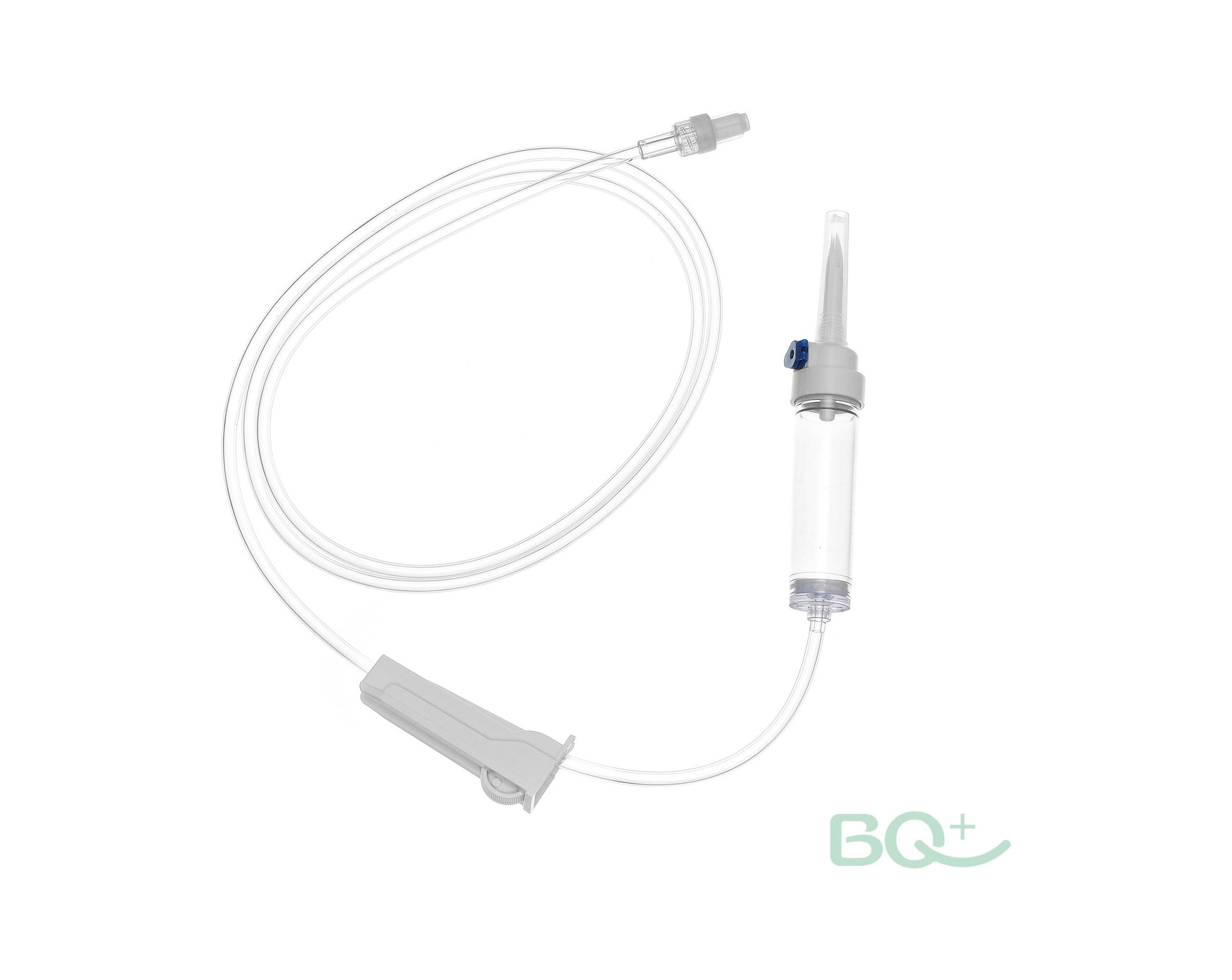
The photographs provide an easy visual starting point. Exact tubing, interfaces, access sequence, sensor inclusion and pressure evidence are confirmed for the selected product reference.
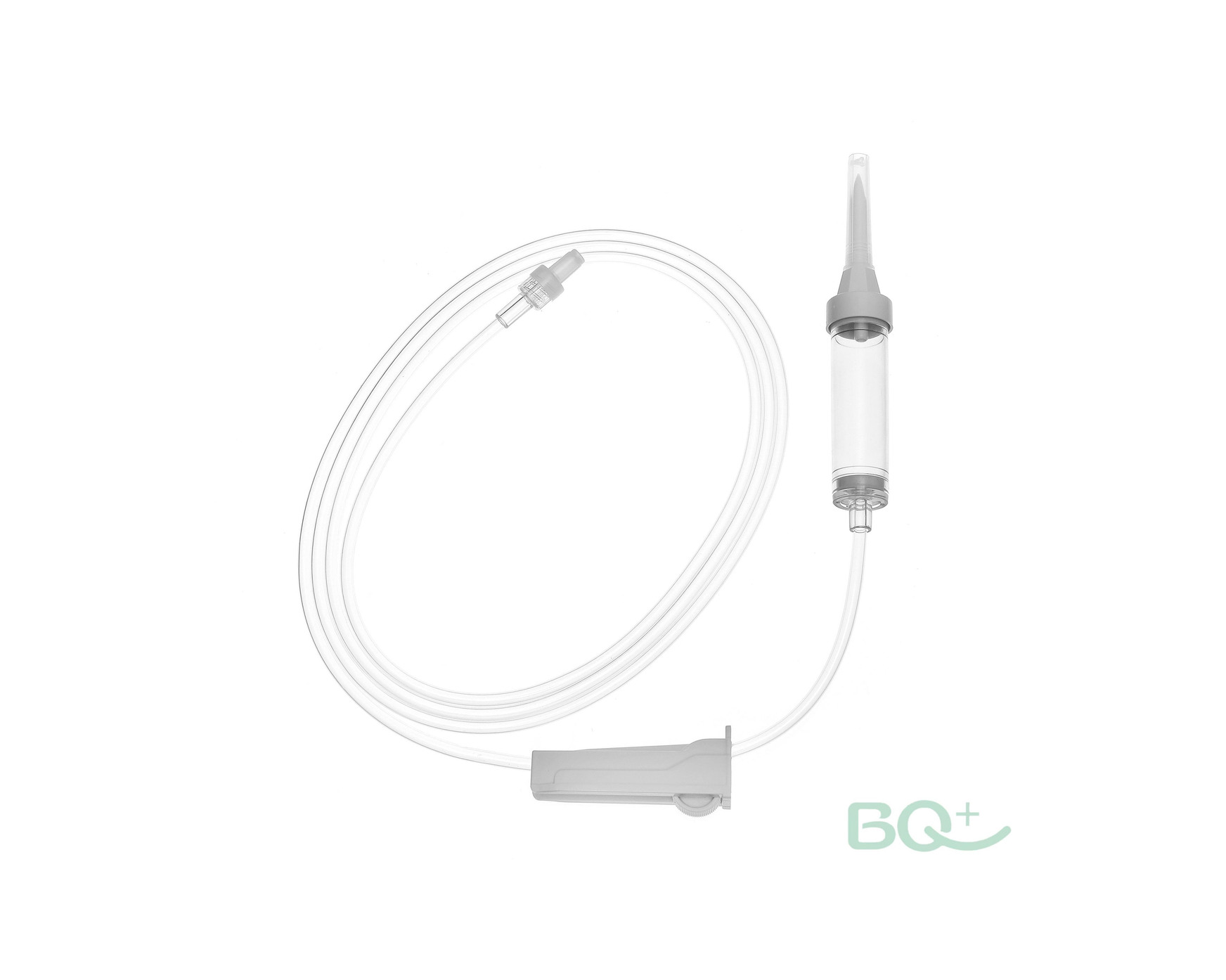
Current working product classification; exact BQ+ REF and public product identity remain under review.
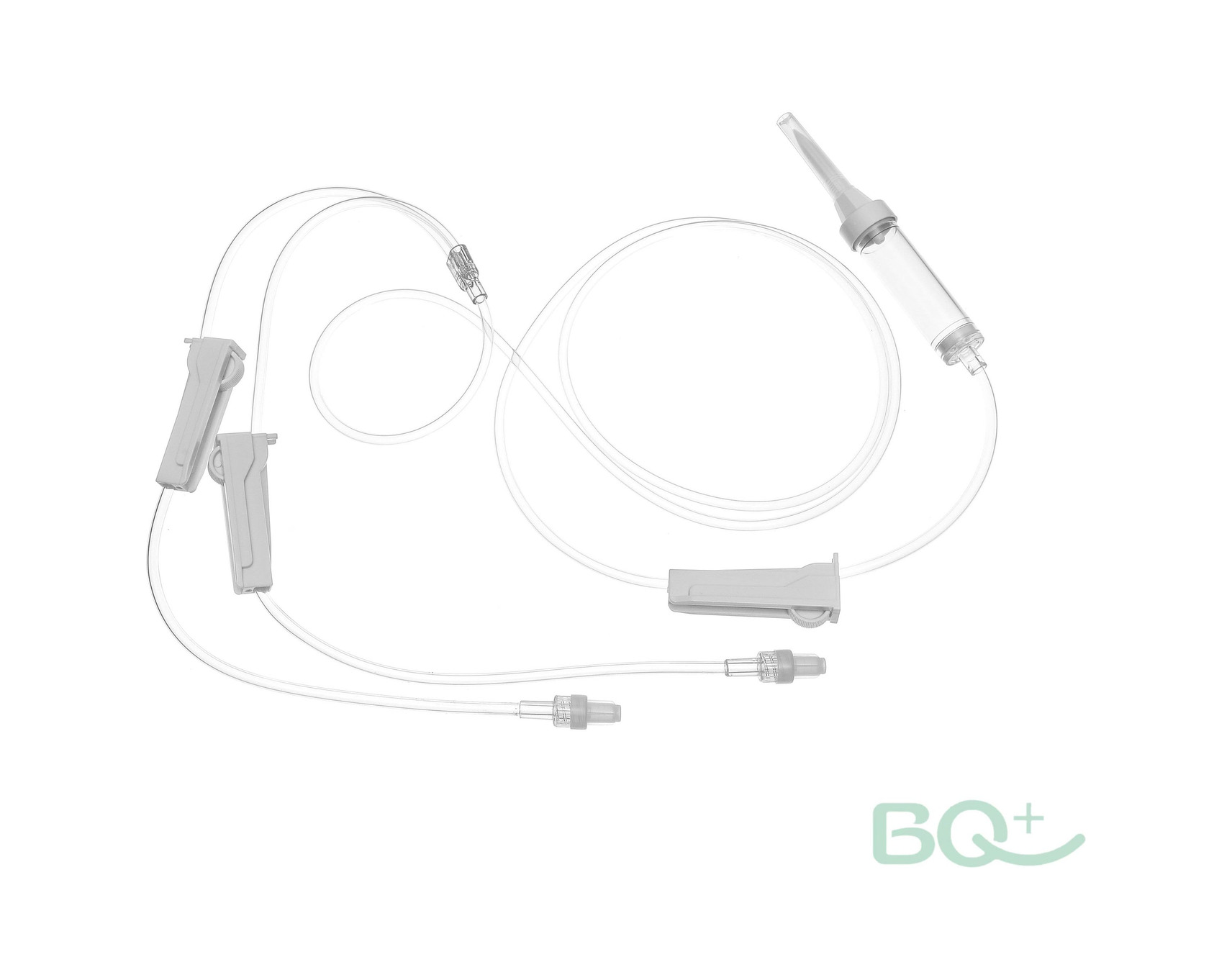
Current working product classification; exact BQ+ REF and public product identity remain under review.
Current working product classification; exact BQ+ REF and public product identity remain under review.
BQ+ reviews the equipment, finished configuration, controlled records and destination market before making a technical or regulatory statement.
Not assumed. Sensor inclusion is confirmed only after the exact product identity and configuration are reviewed.
Only when the exact REF, test method, conditions, result and specialist approval support the public value.
Yes. It is a comparison input, not proof of equivalence or compatibility.
No. They are separate routes presented on one page because buyers may need related fluid-path components and project review.