A product name or photograph can start a sourcing conversation, but it rarely defines a complete disposable fluid path.
Two products may look similar while differing in their intended application, interfaces, tubing, component sequence, material requirements, packaging route, destination market, or evidence needs. When these details arrive one at a time, buyers and manufacturers both spend longer clarifying the project—and important risks can remain hidden until late in the review.
A better request for quotation does not need to be perfect. It needs to give the project team enough context to identify the closest product platform, understand the full configuration, and determine what still requires confirmation.

1. Start with the buying route, not only the part name
Before comparing individual references, decide what you are actually sourcing.
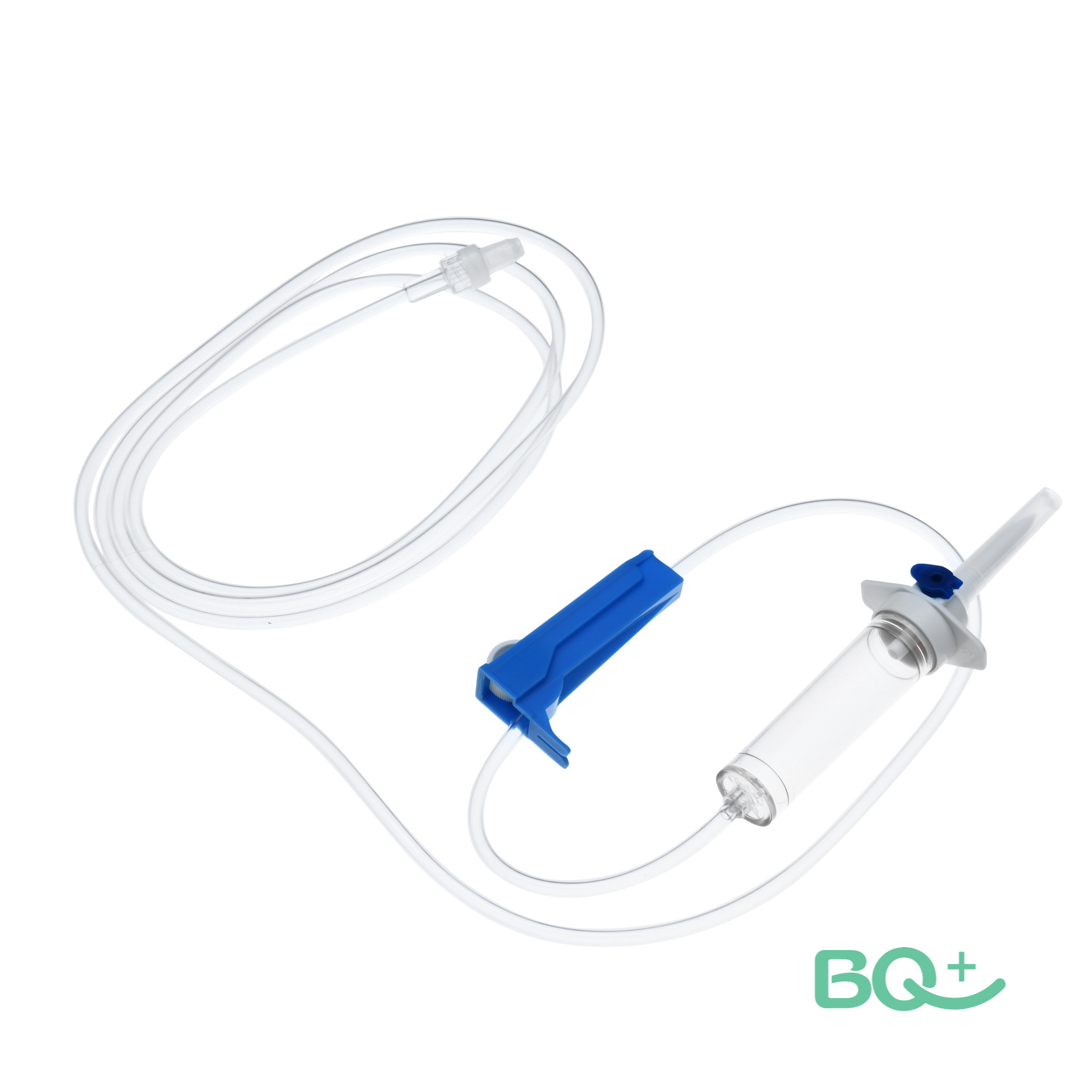
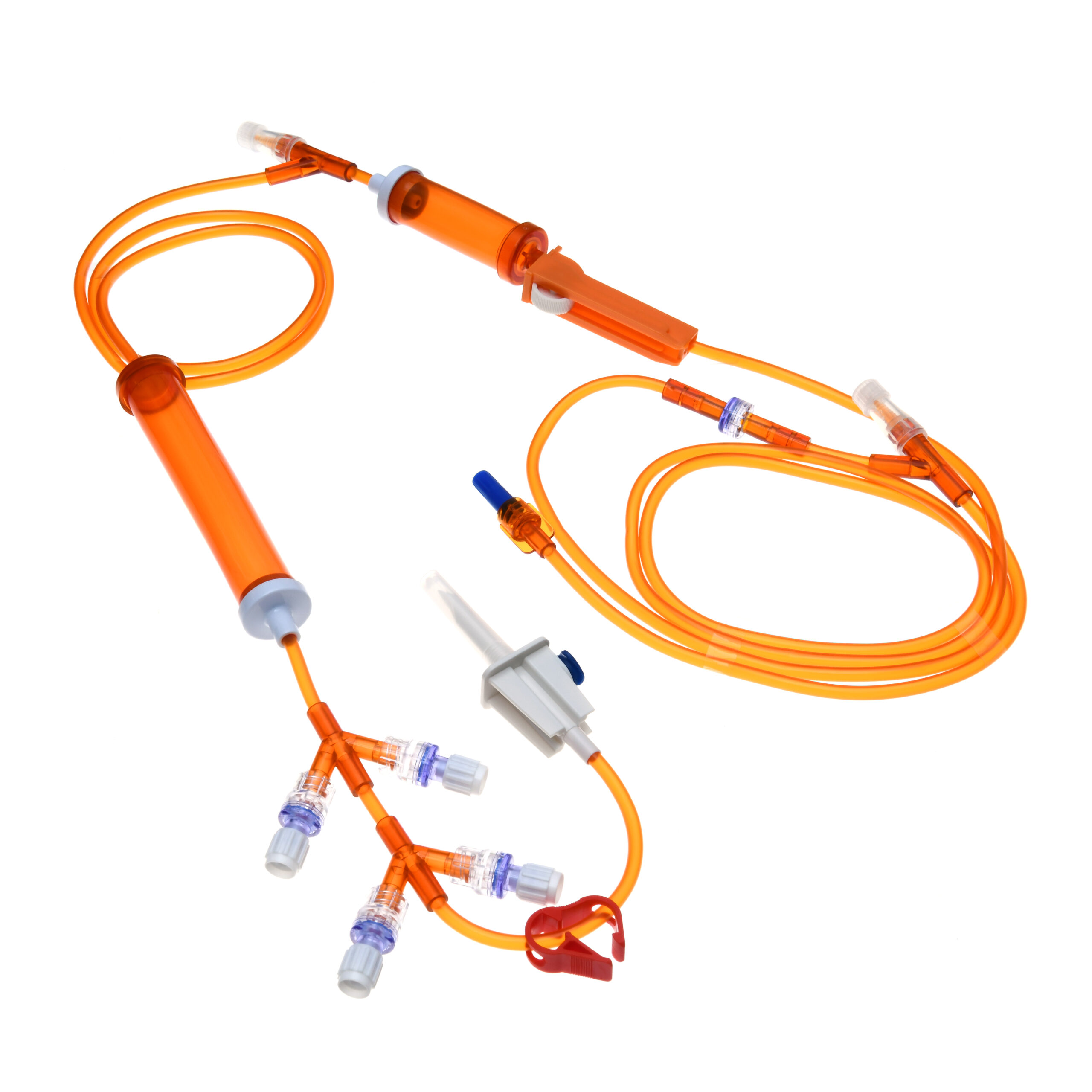
A finished infusion or extension set
Choose this route when you need a complete disposable set for a defined clinical or commercial application. Start from the closest established family, then review the full fluid path and required options.
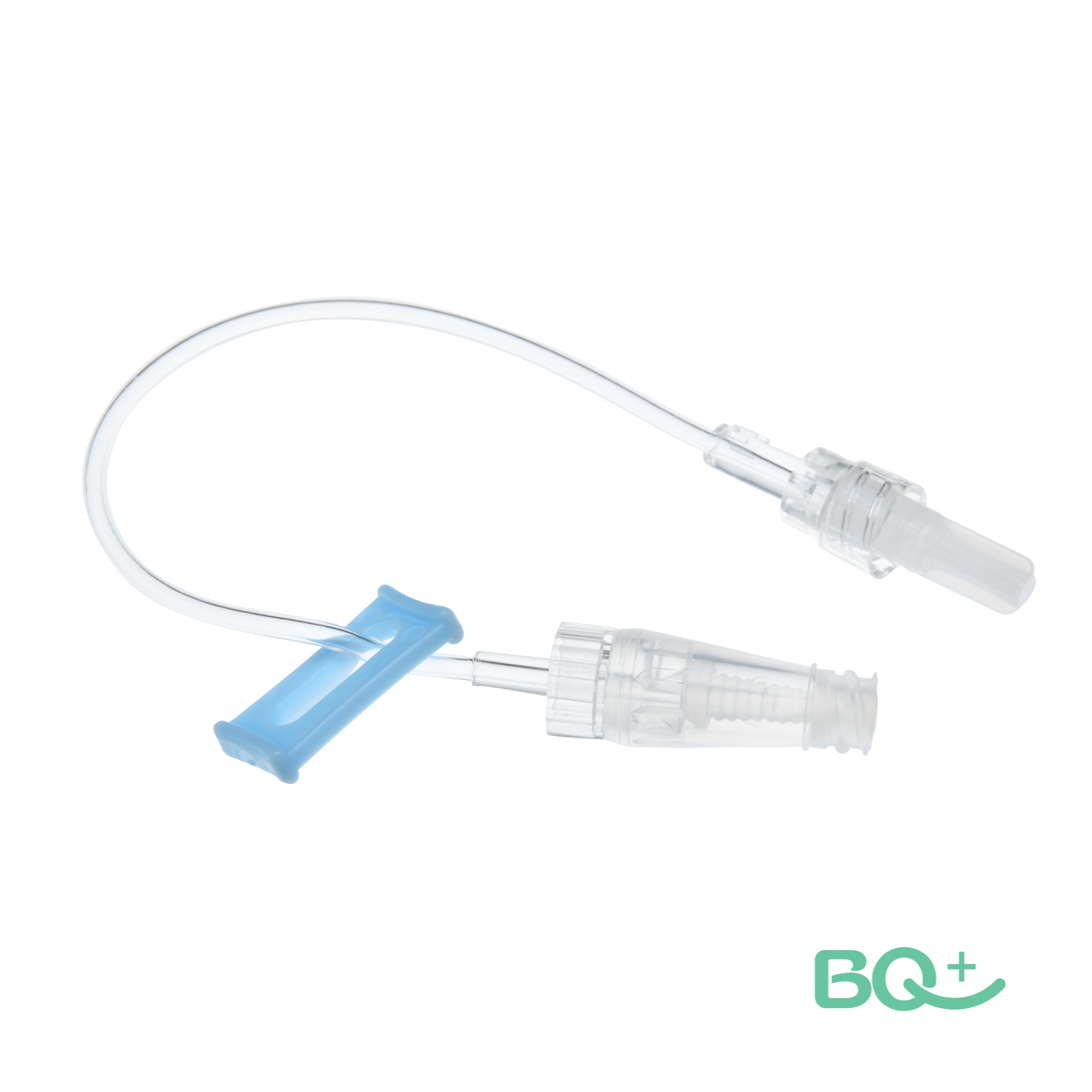
A standalone infusion accessory
Some items can be supplied as finished accessories in their own right. Treat these separately from components that are intended to be assembled into another finished medical device.
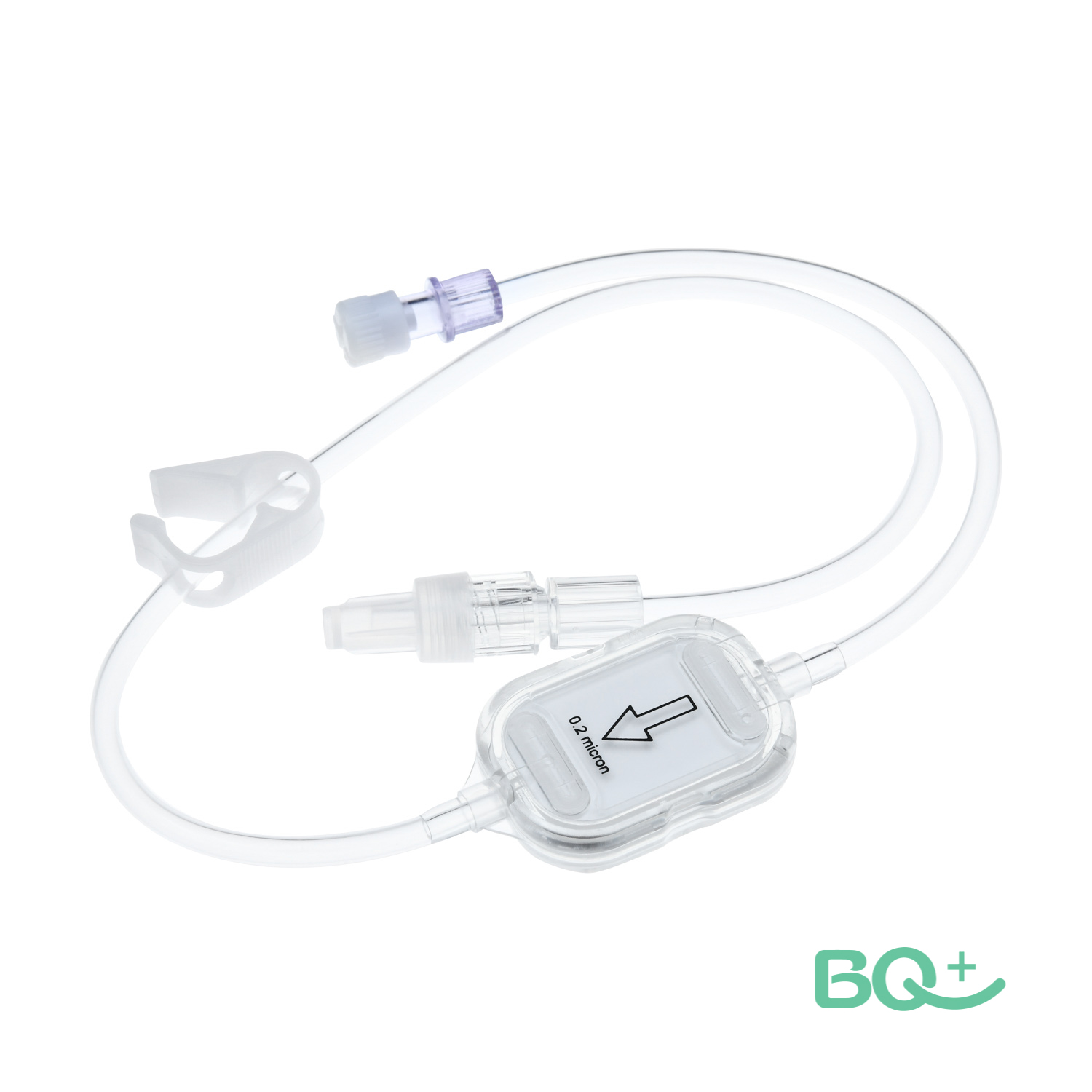
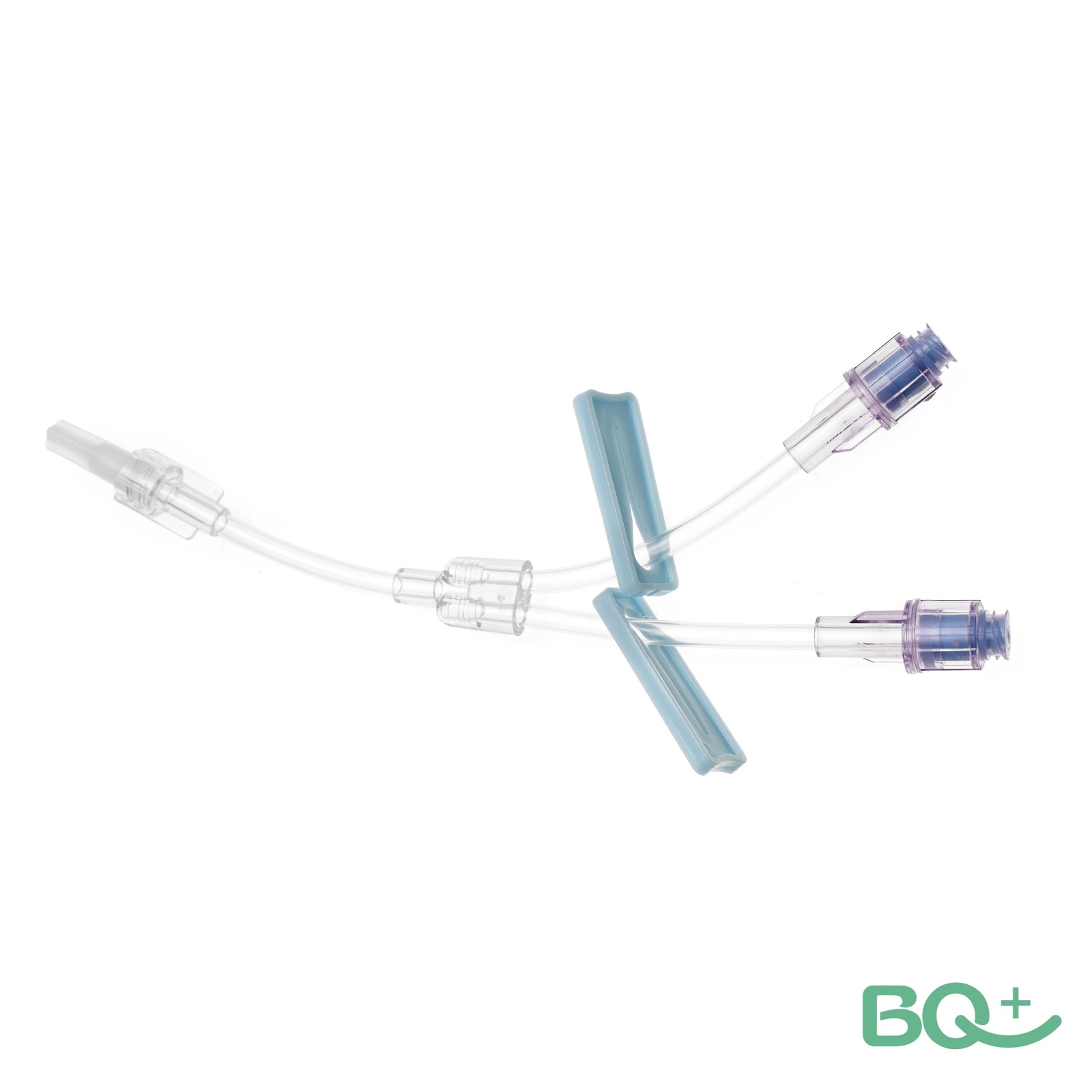
A fluid-path component
Choose the component route when your company manufactures the finished device and needs individual molded, tubing, access, flow-control, filtration, or connection components. The mating interface, material, assembly conditions, and exact component reference matter as much as the visual shape.
A controlled co-development project
Use this route when an existing family does not cover the requirement, or when the project starts from a sample, drawing, reference product, pump interface, special material, or market-specific need.
This first distinction prevents a common sourcing problem: comparing a finished accessory, an assembly component, and a complete set as though they were interchangeable products.
2. Bring six useful inputs to the first review
You do not need a finished specification before contacting a supplier. The following six inputs are usually enough to begin a productive technical and commercial review.
- Intended application — What is the set or component expected to do, and where does it sit in the fluid path?
- Destination market — Which country or region is the project intended for?
- Reference material — Share a sample, drawing, product photograph, marked catalogue page, existing reference number, or configuration sheet when available.
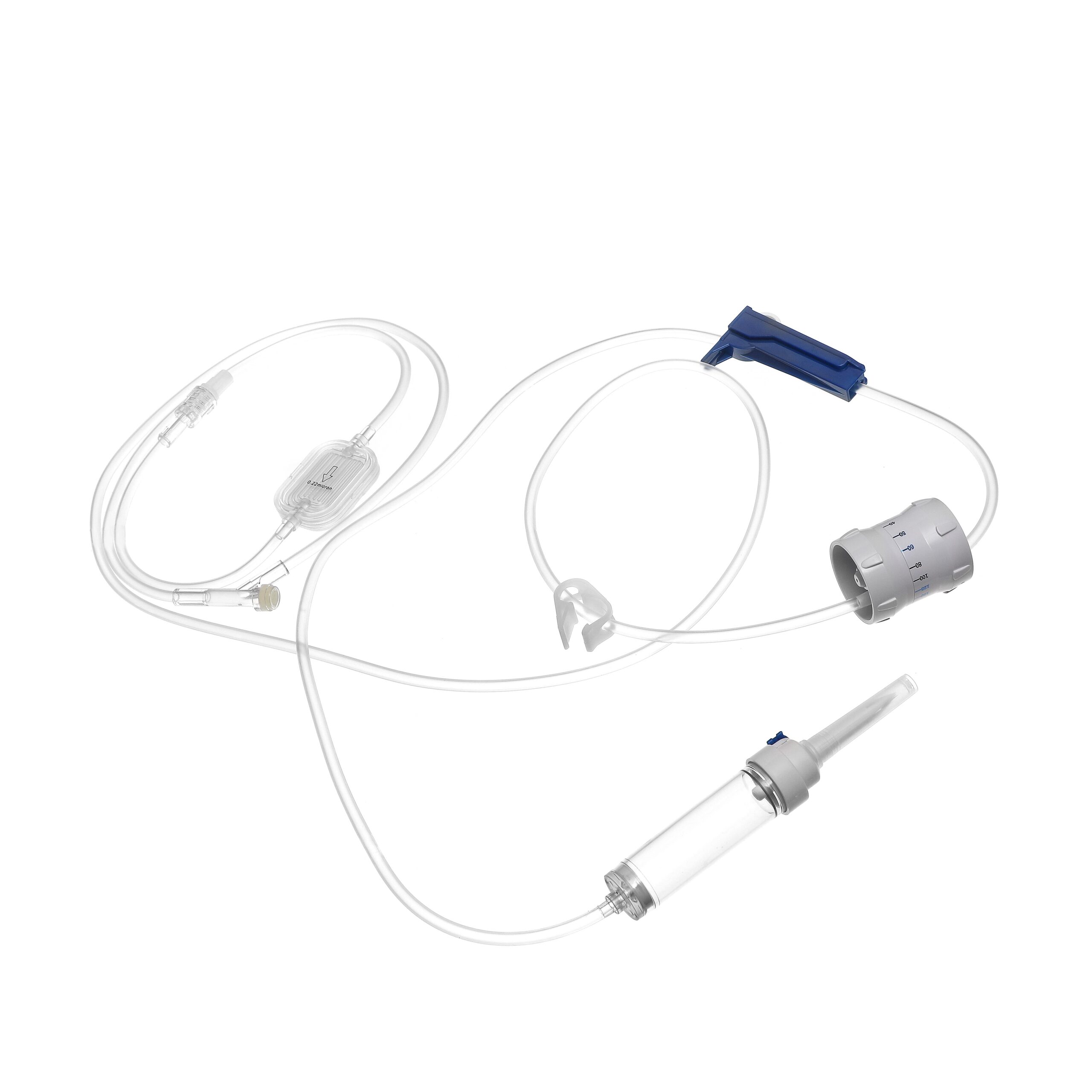
- Complete fluid path — Describe the container-side interface, chamber or access route, tubing, flow-control elements, injection or branching points, filters, valves, and patient-end connection.
- Required options — Note material constraints, light protection, packaging, private label, sterile or non-sterile supply route, and other important preferences.
- Project stage and demand — Explain whether this is early evaluation, sample review, validation, market onboarding, or an active sourcing project; include estimated demand and timing when known.
Unknown items should be marked as open questions rather than guessed. A clear “to be confirmed” is more useful than an unsupported parameter.
A practical path to a better RFQ
Identify the route
Finished set, accessory, component or co-development.
Share references
Application, market, sample, drawing or current REF.
Define the fluid path
Interfaces, tubing, flow control, access points and packaging.
Confirm the exact route
Product evidence, commercial terms and remaining open points.
3. Compare platforms first, then narrow the configuration
Large medical-device catalogues can contain many visually similar variants. Reviewing every reference at the beginning can make the buying process slower rather than more accurate.
- Identify the closest product or component platform.
- Compare representative families and functional differences.
- Open the relevant catalogue range when more detail is needed.
- Shortlist the most suitable route.
- Submit the complete requirement for one coordinated review.
This lets a buyer explore the available range before being repeatedly redirected to an inquiry form. It also keeps the final discussion focused on the whole configuration instead of isolated parts.
4. Separate route-finding from evidence confirmation
Website pages and catalogues are useful for identifying product families, visual options, and possible configuration routes. They are not a substitute for product-specific evidence.
Before a public claim or purchasing decision is finalised, the exact BQ+ reference and current controlled records should be used to confirm applicable dimensions, materials, performance values, sterilisation route, shelf life, registration status, certificate scope, and market availability.
This distinction protects both sides. Buyers can explore efficiently without treating representative content as approval for every finished configuration or destination market.
5. Use a simple RFQ structure
The following format can be copied into an email, project brief, or inquiry form:
Application:
Destination market:
Product route: Finished set / standalone accessory / component / co-development
Reference material: Sample, drawing, photograph, catalogue page, or current reference
Required interfaces:
Preferred components and options:
Material constraints:
Sterile or non-sterile supply route:
Packaging or private-label requirements:
Estimated demand and timing:
Open questions or known risks:
If only a sample or competitor reference is available, send it with the intended application and destination market. The project team can use that information to identify the closest existing route and list the remaining confirmation points.
6. Use the BQ+ website as a project map
The BQ+ website is organised to support a sequence rather than an endless list of isolated products:
- Use the Product Platform Hub to identify the closest finished-set, accessory, or application route.
- Use the Fluid-Path Components Platform when you are sourcing parts for your own finished-device production.
- Review Manufacturing Capability when process fit, scale-up, assembly, packaging, or delivery coordination matters.
- Review Quality Management to understand the quality-system and project-control context.
- When the route is clear, contact the BQ+ project team with the complete requirement.
A better RFQ creates a better first review
The goal is not to make the buyer complete the supplier’s engineering work. It is to make the first review decision-ready.
Start with the closest platform. Show the complete fluid path. State the destination market and project stage. Share the best reference material you have. Then identify what is known, what is preferred, and what still needs controlled confirmation.
That is enough to turn a product search into a practical sourcing project.
Next step: Explore BQ+ Product Platforms or send your requirement to the project team.